Introduction: A New Lens on Experience
In a competitive cannabis and cannabinoid-derivative marketplace, Mood doesn’t just aim to sell products. It aims to sell intentional feelings, guiding users toward the mood they want rather than focusing on raw chemical metrics. Every aspect of Mood reflects a deliberate philosophy: products should align with daily life, not overpower it. In this article, we’ll dive into what makes Mood uniquely compelling, how it crafts trust, and where it can go from here.
Identity & Philosophy of Mood
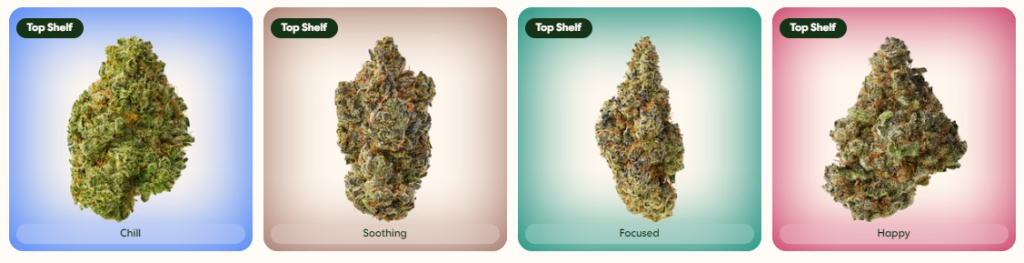
When you land on Mood, you’re greeted not by THC percentages, but by mood categories: Chill, Energize, Sleep, Focus. That simple reorientation—“Which mood do you need?” instead of “Which strain or potency?”—sets a tone of purposeful curation. Behind that, Mood integrates values around clarity, legality, and social good.
Their “About” narrative discusses working with U.S. farmers, crafting in-house baked goods, and embedding donations into their mission. That story helps ground the brand in authenticity. When Mood speaks of “Weed for Every Need” or “moods built in,” it’s not just marketing jargon—it’s woven into how they structure their offerings, their content, and their brand identity.
What Makes Mood Special
Legal Clarity & Trust Anchors
A key differentiator is how clearly Mood emphasizes compliance: “100% federally legal THC,” adherence to Δ9-THC limits, and third-party lab testing with Certificates of Analysis available. In a domain rife with uncertainty, that kind of clarity builds confidence.
Discreet & Intentional Packaging
From a user’s viewpoint, ordering THC-related products carries concerns about privacy, discretion, and presentation. Mood addresses this with plain, odor-sealed packaging and understated labels. That kind of attention to “last mile” experience helps reduce hesitation and enhances the brand feeling.
Mood-First Product Architecture
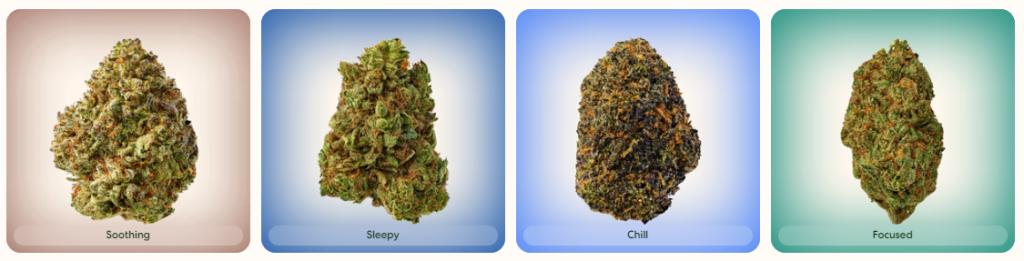
Rather than leading with chemistry or potency, Mood structures its lines around outcomes—Sleep, Chill, Focus, Happy, etc. Products like “Better Sex” or “Get Energized & Focused” show how the brand is aligning its technical formulations with emotional goals. That framework reduces cognitive load on consumers.
Rich Educational Content & Transparency
Many brands shy away from deep explanation; Mood leans in. Their FAQs, “Learn” pages, drug test breakdowns, and explanations of THCa vs THC all help demystify what can be intimidating topics. That turns curiosity into confidence.
Mission, Values & Social Impact
What gives Mood emotional resonance beyond product is how they integrate giving back—meals donated, animal rescue support, and a brand voice that doesn’t shy from values. For many customers today, those values matter as much as the product specs.
Unified Design & Brand Coherence
When typography, photography, product naming, tone, and visual styling all feel aligned, it elevates the user’s impression. With Mood, that cohesion reinforces that they aren’t scattered—they are intentional.
How Mood Engages, Persuades & Retains
Storytelling Over Specs
From homepage copy to product blurbs, Mood pivots away from raw data and leans into narrative: how the user will feel, where in life they’ll use it, what difference it can make. That helps bridge the gap for people who feel overwhelmed by chemistry or labels.
Social Proof & Customer Voices
User reviews, star ratings, community stories—all are front and center in Mood’s presentation. That peer validation helps reduce cognitive friction when someone is exploring or hesitant.
Loyalty & Rewards Systems
The “Mood Rewards” program offers points, perks, and incentives. That helps convert one-time curiosity into repeat engagement and gives people reason to explore new products within Mood’s catalog.
Discovery Tools & Quiz Flows
To lower decision fatigue, Mood integrates quizzes and guided question flows (“Which mood do you want?”) so users can arrive at tailored suggestions rather than choosing blind.
Reassuring Legal & Safety Messaging
Because many buyers are wary of legal or safety risks, Mood doesn’t just slip in assurances—they make them central: lab tested, COAs accessible, federally legal, odor-sealed packing, discreet shipping. That becomes a foundation of trust.
Challenges & Strategic Considerations
Regulatory Uncertainty & Compliance Risk
Even though Mood currently operates under existing legal definitions, laws evolve. Keeping product lines, shipping practices, and marketing messaging legally compliant demands ongoing vigilance and readiness to pivot.
Rising Competition & Market Saturation
The cannabinoid / cannabis-adjacent space is attracting many entrants—some with deeper capital, celebrity backing, or vertical integration. Mood must continue innovating not just in product but in brand experience, storytelling, and community to maintain a distinctive edge.
Bridging the Education Gap
Some consumers remain skeptical or confused about cannabinoids, THCa, potency, or legality. The educational burden falls on brands like Mood. Their content and UX must stay intuitive, accessible, and ever-evolving.
Social Stigma & Cultural Perception
Even where cannabis or THC-adjacent products are legal, lingering stigma can deter potential customers. Mood’s discreet branding, calm tone, and educational framing help mitigate stigma—but broader cultural acceptance will shape how far they can scale.
Opportunities & Growth Paths
Expanding Product Formats & Microdosing Innovations
Beyond gummies, vapes, and prerolls, Mood could pioneer microdose lines, cannabinoid-infused beverages, or hybrid blends (THC + adaptogens). These subtle formats appeal to new or cautious users.
Subscription & Mood-Based Curation Boxes
A monthly “Mood Box” or subscription tied to user goals would deepen engagement and encourage trial across Mood’s product range. Let users set their primary mood, then receive curated doses.
Strategic Wellness Partnerships
Imagine Mood collaborating with sleep tech firms, meditation apps, wellness influencers, or mental health platforms. These integrations can embed Mood deeper into daily routines and elevate its perception from novelty to tool.
Events, Community & Immersive Storytelling
Hosting brand events, educational workshops, or “Mood experiences” can build emotional connection. Sharing behind-the-scenes videos, farmer stories, and user journeys helps turn buyers into brand advocates.
Global & Regional Expansion Where Legal
Where regulations allow, Mood might explore regulated international markets or expand state-by-state U.S. shipping. Strategic partnerships with compliant local distributors could accelerate reach.
Conclusion: Mood as Experience, Not Just Product
What truly sets Mood apart is its intentional repositioning: it doesn’t merely supply THC-derived products—it curates moods. Through legal clarity, packaging rigor, content transparency, and brand coherence, it offers a refined user experience in a sector often plagued by confusion or risk. If Mood continues evolving—balancing regulation, innovation, education, and community—it is well poised to lead in the next frontier of cannabis-aligned lifestyles.